


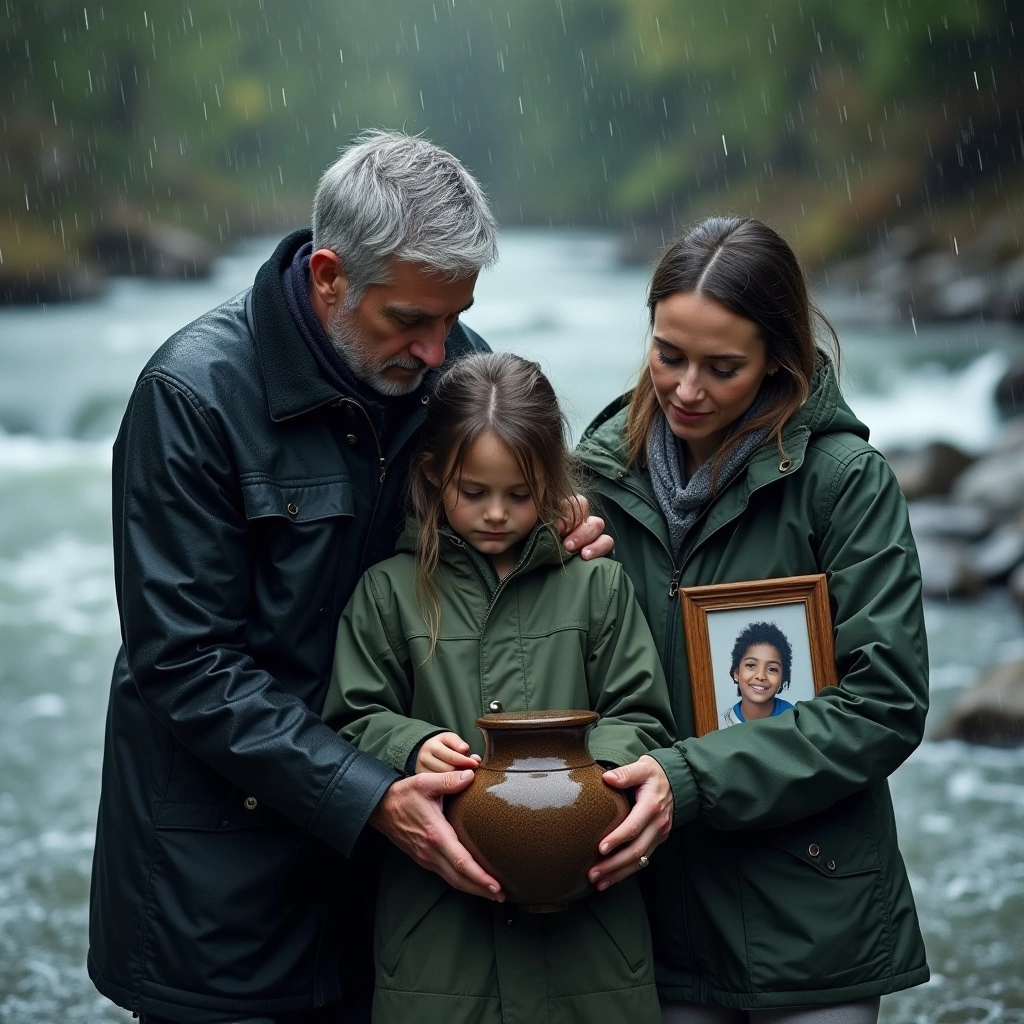
Scattering Ashes on Screen: How TV and Film Portray This Emotional Farewell
Saying goodbye to a loved one is never easy, and for many people, scattering ashes is a deeply personal and meaningful part of the grieving process. In the real world, it can be a moment of quiet reflection, connection, and even healing. But when it comes to TV and film, this solemn act is often shown with a mix of drama, humour, and sometimes chaos.
So how accurately do these portrayals reflect real-life experiences? And what can they tell us about how we view death, remembrance, and closure?
A Familiar Scene with a Twist
We’ve all seen it: a character stands at the edge of a cliff, a peaceful lake, or a windswept hill, holding an urn or a makeshift container. They say a few heartfelt words—or struggle to find the right ones—before releasing the ashes into the air. Sometimes it’s a beautifully poignant moment. Other times, well… not everything goes quite to plan.
From ashes blowing back into someone’s face to emotional outbursts or unexpected comedy, writers and directors often use these scenes to explore grief in a way that’s relatable yet visually striking.
Memorable Examples in Film and TV
Here are a few stand-out portrayals:
- The Big Lebowski (1998): Probably one of the most infamous scenes involving ashes, where Walter scatters Donny’s remains only to have them blown back all over himself and The Dude. It’s absurd, messy, and oddly touching—a reminder that grief doesn’t always follow a neat script.
- Fleabag (Series 2, 2019): In one episode, Fleabag and her sister Claire scatter their mother’s ashes while dressed in formal wear, standing awkwardly by a river. The moment is understated, emotional, and real. No big speech, just two sisters quietly honouring someone they loved.
- Six Feet Under (2001–2005): This groundbreaking series tackled death head-on in nearly every episode, and several involved scattering ashes in various locations. The show gave space for different beliefs, family tensions, and the very human desire to do something meaningful with the remains of a loved one.
- The Office (UK): David Brent’s awkward delivery of his mother’s ashes anecdote—intended to be heartfelt—turns into one of his many tone-deaf moments. It’s an example of how the topic can be used for character development, often revealing more about the person doing the scattering than the one who’s passed away.
Why These Scenes Resonate
Ash scattering is visually symbolic—it represents letting go, setting someone free, or returning them to nature. But it’s also ripe with emotional tension: family members may have different views about what’s “right,” and the setting itself can heighten feelings of loss or connection.
TV and film use these moments to:
- Show character vulnerability
- Offer emotional closure (or the lack of it)
- Inject humour into serious themes
- Explore family dynamics and unresolved tensions
In many cases, it’s less about the ashes themselves and more about the people left behind—what they’re feeling, what they’re saying (or not saying), and how they’re coping.
Real Life vs. Reel Life
While real-life ash scatterings are usually more subdued, the emotions behind them are just as complex as those shown on screen. For many, it’s a chance to celebrate a life, reflect on memories, and honour a person’s wishes. The setting—whether a garden, the sea, or a mountain—often carries its own meaning, linked to personal history or shared experiences.
TV and film may dramatise or exaggerate, but they do often get one thing right: the scattering of ashes is never just about the act itself. It’s about what it represents—grief, love, loss, and ultimately, remembrance.

Whether it’s played for laughs or tears, the scattering of ashes remains a powerful storytelling device. It connects viewers to the characters on a deeply human level, reminding us that in the face of loss, we all seek comfort in ritual, memory, and sometimes a bit of humour.
And if the ashes happen to blow back into someone’s face? Well, perhaps it’s just the dearly departed having the last laugh.

